PROPERTY INSURANCE APPRAISAL
CONTACT USPROPERTY LOSS INSURANCE APPRAISAL
APPRAISER & UMPIRE
TWIN CITIES, MINNESOTA & NATIONWIDE
ALL PERILS INCLUDING FIRE, SMOKE, WATER, HAIL, WIND, HURRICANE, & BUSINESS INTERRUPTION
OBJECTIVE APPRAISER ENGAGEMENTS NATIONWIDE
NEUTRAL UMPIRE APPOINTMENT FOR APPRAISERS
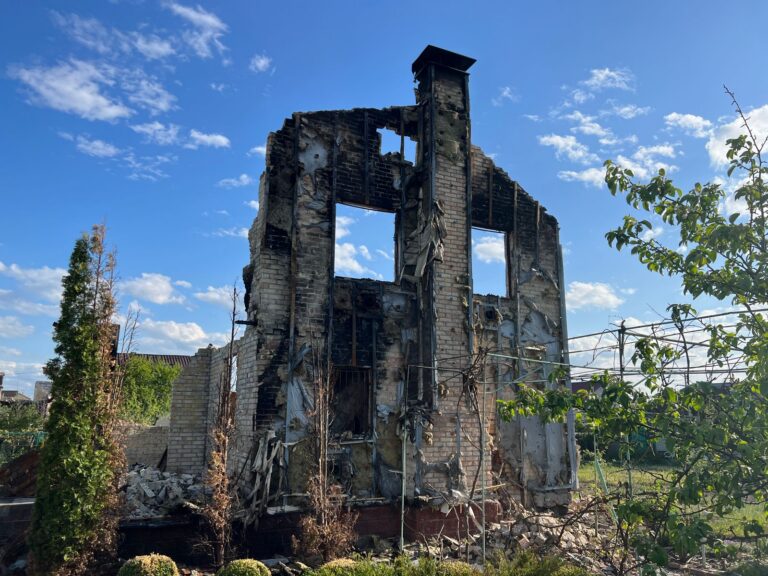
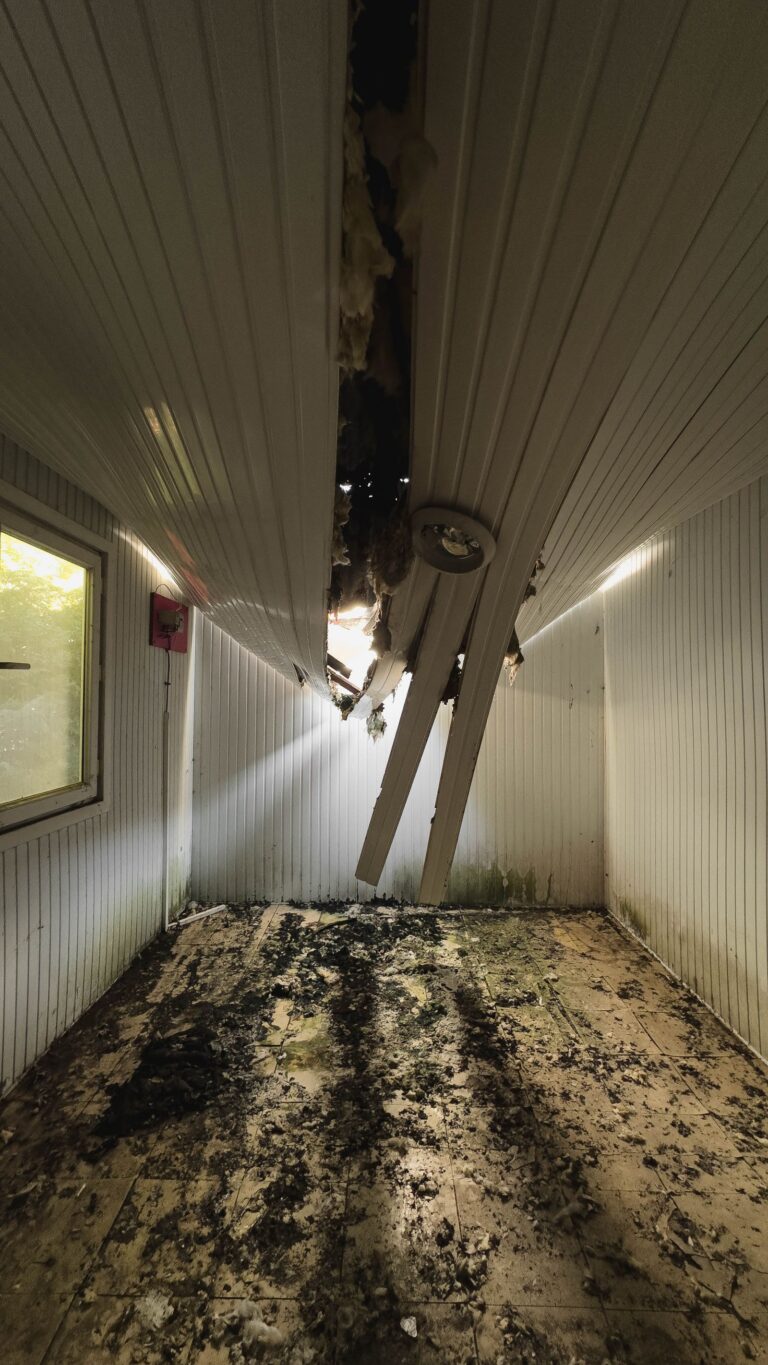

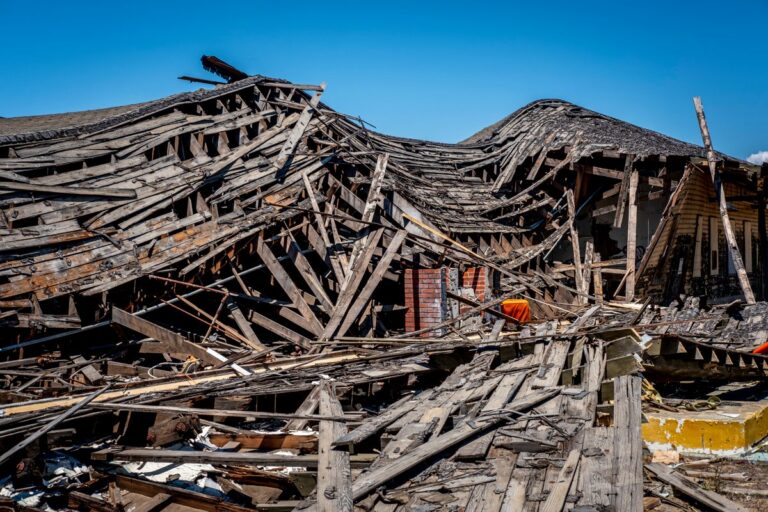
Appraiser and Umpire Services
Two distinct roles, one standard: strict neutrality, full independence, and no financial interest in the outcome of any award. We work with everyone involved in a property claim, policyholders, insurance carriers, appraisers on either side, and the attorneys and agents who support them. From smaller residential losses to multi million dollar commercial properties, every file gets the same disciplined process.
Appraiser Services
Retained by policyholders or insurance carriers to independently evaluate the amount of a covered loss. Every evaluation is grounded in the building, the damage, the documentation, and applicable construction and industry standards, using Xactimate and other estimating platforms daily, backed by more than two decades of hands on construction and restoration experience. We are not advocates. We form our own independent opinion and go from there. Request appraiser services
Umpire Services
Retained by the two party appointed appraisers when they cannot agree. Both appraisers receive the same access, the same questions, and the same time and attention, and the final decision follows what the evidence actually supports. Listening comes first, ethics are not negotiable, and once any two of the three sign the award, the matter is decided, which is why choosing the right umpire matters. Appraisers on the policyholder side and the carrier side alike retain Appraisal Resolution for exactly that reason. Request umpire services
Important Information
Direct access to the pages our clients use most, covering every type of property damage we handle.
The Appraisal Process: What to Know Before You Start
Straight answers to the questions parties ask most before and during an appraisal, written for policyholders, carriers, adjusters, attorneys, and appraisers alike.
What Is Appraisal and How It Works
Appraisal is a dispute resolution process built into most property insurance policies for one specific question: the amount of loss. The party demanding appraisal selects an appraiser, the other party selects its own, and the two appraisers select an umpire. Together the three are often called the panel or the appraisal panel. Most appraisals involve at least one onsite inspection, though the number varies with the dispute; some matters call for several, and some can move forward without one. The appraisers work toward agreement, and the umpire decides only the differences they cannot resolve. A few appraisal clauses involve the umpire throughout, though most do not. The process concludes when any two of the three panel members sign the award. A full walkthrough is in The Property Insurance Appraisal Process, Step by Step.
Read the Insurance Policy First
The appraisal process is governed entirely by the policy in effect on the date of loss, so the complete document is the starting point for every party. A written request to the carrier for a complete copy of the policy in force on the date of loss, or a download from the carrier portal, is usually enough to begin; a certified copy can be requested later if one becomes necessary. A complete policy generally includes the declarations page, the base form, every endorsement and amendatory endorsement, the schedule of forms, any renewal certificate or mid term changes, and any application the policy references. Commercial policies add common policy conditions and scheduled property endorsements.
When the packet arrives, the form schedule on the declarations page is the checklist: anything listed but not included is a missing document and can be requested by form number and edition date. Provisions worth locating before appraisal moves forward include the appraisal clause, repair completion deadlines, the suit limitation period, loss settlement provisions, duties after loss, definitions, and any endorsements that modify them. Questions about rights, obligations, or coverage belong with a licensed attorney or the carrier; the appraisal panel determines the amount of loss and does not decide what the policy covers.
How Appraisal Is Demanded
The party demanding appraisal initiates the process, and the policy sets the requirements. Reviewing the duties after loss section and the appraisal clause is the best starting point, and submitting a timely proof of loss, where the policy requires one, helps confirm obligations have been met. The demand document matters more than many parties expect: the panel uses it as the foundation for what is in dispute, and modifications after submission are rarely possible. If it is unclear which items are damaged or what pricing is appropriate, some policies allow the demand to request that the panel identify additional items through its own inspection, and that request needs to be inside the demand itself.
Requirements vary by state and policy, but a demand typically identifies the date of the demand, the carrier, the date and type of loss, the claim and policy numbers, the policyholder and property address, contact information, and the named appraiser with that appraiser’s contact details. Parties who have named Appraisal Resolution as their appraiser may list Russ Lis, rlis@appraisalresolution.com, 952-444-6200. The carrier is then asked to provide its own appraiser’s contact information so the two appraisers can begin.
Why Documentation Comes Early
The panel starts with no history of the claim, so the record each party provides is the record the panel works from. Everything a party wants considered should be delivered as early as possible; material that arrives late may not be considered at all, and many appraisers and umpires require all documentation no later than fourteen days before an onsite inspection. More documentation is better than less, and while appraisal is not a court of law, treating the submission with that level of care is a sound practice for any party.
What Panels Commonly Request
No two disputes need exactly the same record, and either party may submit anything it wants the panel to consider. The items below answer the most common questions about what a complete submission looks like.
- A written summary of the dispute: the areas of agreement, the areas of disagreement, supporting documents, and anything received from the other party.
- The demand for appraisal and the other party’s response to it.
- The appraisal clause from the policy in effect on the date of loss, since clause language is sometimes amended by endorsement.
- The most recent scope of work and estimate from each party.
- A complete photo set covering damaged and undamaged areas, distant and closeup, labeled by room or elevation so nothing needs guessing.
- Measurement reports where applicable, computer generated or hand measured.
- The pricing methodology behind each estimate, whether industry estimating software or another method, with supporting quotes, invoices, or cost studies.
- Estimates broken out per wall or per elevation where interiors or exteriors are involved, and per building with property maps on multi structure properties.
- Product identification, lab reports, or manufacturer information, and where product availability is disputed, the existing and proposed products available onsite for the panel to review, or a written explanation of why removal was not possible.
- Documentation of any repair attempt: panels give more weight to a documented attempt than to a hypothetical assessment, so where feasible, complete the attempt and record the process and outcome.
During inspections, marking every area of concern, with painters tape, chalk, or similar, keeps items from being missed in changing light. Comprehensive documentation helps the panel understand the dispute, and the decision remains the panel’s own independent determination once two of three members agree. An award signed by two of three generally cannot be reopened, and any recourse after that point is a legal question for an attorney.
Exchanging Appraiser Contacts
The appraisal cannot begin until the two appraisers can reach each other. Each party is responsible for getting the opposing appraiser’s name, phone number, and email address to its own appraiser, and following up with the other party until that information arrives is time well spent. Delays at this step are among the most common and most avoidable in the entire process.
How the Umpire Is Selected
Once both appraisers are named, the accepted best practice is to select the umpire immediately, before any disagreement exists, so a stalled appraisal always has somewhere to go. The goal is agreement on a fair, reasonable, and competent umpire, and in most matters that agreement comes quickly, sometimes in a single phone call, though it can take longer. Appraisers typically prefer to review the documentation before proposing candidates, since the nature of the dispute shapes what kind of umpire experience fits best.
If Appraisers Cannot Agree on an Umpire
In the large majority of appraisals the two appraisers reach agreement on an umpire, even when it takes several rounds of candidates. On rare occasion they cannot. The appraisal process contemplates that both appraisers will work toward agreement in good faith, and when that fails, the governing policy provision typically allows a judge to select the umpire. Judicial appointment involves additional time and cost, and the decision whether to pursue it rests with the party, not the appraiser. Timelines and procedures vary by policy language and jurisdiction.
Onsite Inspections
Inspections are professional, objective, fact finding events. The panel is permitted to access and inspect all areas of the property, and an appraiser may assign a representative to conduct an inspection. Communication runs through the panel: each party speaks with its own appraiser, and only the appraisers and umpire deliberate, never in front of anyone outside the panel. Panel members may ask questions of those in attendance and review submitted materials while forming their own professional opinions. Practical requirements matter: locked gates, secured areas, and interior access require the owner or an authorized representative present, and animals need to be confined or removed. When those arrangements are missed, the inspection may not occur, and rescheduling adds cost.
Equipment and Access
Different inspections need different logistics. Steep or high roofs can call for specialized ladders or harnesses, commercial buildings sometimes require a scissor lift, and some properties need arrangements for interior or secured access. Equipment and access are arranged and supplied by the property side of the engagement, not by the panel, and that expectation should be settled before the inspection is scheduled. An inspection that cannot proceed because equipment or access was not available produces delay and additional cost that planning would have avoided.
Timing and Policy Deadlines
An appraisal moves as fast as its slowest participant. No single appraiser controls the opposing appraiser, the umpire, or their availability, so overall pace varies. Just as important: demanding appraisal typically does not pause, toll, or extend the deadlines in the policy. Repair and replacement timeframes, including those tied to recovering depreciation, generally remain in effect while the appraisal is ongoing, which is why reviewing the policy and tracking its deadlines throughout the process matters for every party.
Reconvening After an Award
Although uncommon, a panel is sometimes asked to reconvene after an award has been finalized, whether by the carrier, the policyholder, or both. Reconvened work can involve additional inspections, document review, panel communications, supplemental analysis, and a revised or supplemental award, and it is billed as additional work at rates agreed in advance. Parties weighing a reconvening request should expect both added time and added cost.
A Note on Legal Advice
Appraisal Resolution, Russ Lis, and their representatives are not attorneys, and nothing on this page is legal advice. This material describes the appraisal process in general terms for a national audience; laws, regulations, policies, and court decisions vary by state and change over time, and monitoring or interpreting them is outside the scope of appraisal work. Interpreting a policy, rendering coverage opinions, or advising on rights and obligations belongs to the carrier, legal counsel, or the appropriate authority. The sole function of the appraisal process is to determine the amount of the loss.
Resources Library
Browse every topic in our library:
Large Loss Claims and Why Appraisal May Be Useful
Large loss claims, involving significant structural damage, major commercial properties, or substantial dollar amounts, can be.
What Window Certification Labels Tell an Evaluator
Many windows manufactured in North America carry one or more labels affixed to the frame or spacer bar that provide standardized.
Roof Damage Disputes and How Appraisal Resolves Them
Roof damage is one of the most common sources of disagreement in property insurance claims, whether from wind, hail, age related.
Do you have a dispute over a property insurance claim?
Appraisal Resolution is an independent appraiser and umpire focused on objective damage assessment and the fair resolution of property insurance claim disputes. Appraisal is a contract-based process, outlined in the policy’s appraisal clause, for resolving disagreements over the amount of a covered loss. We are based in Minneapolis, Minnesota and work nationwide.
What is Appraisal?
Appraisal is a policy provision found in the loss settlement section of a commercial or residential property insurance policy.
It is an alternate dispute resolution which can resolve disagreement when the insurer and insured do not agree on the amount of loss. It is an alternative to a lawsuit. Appraisal does not address coverage issues but can include or exclude items based on causation depending on the state. Once the appraisal clause/provision is invoked, the insured’s appraiser and the insurance carrier’s appraiser will estimate the damage and try to come to an agreement on the amount of loss. If the appraisers fail to agree, they will submit their differences to the umpire. An itemized decision agreed to by two of these three will set the amount of loss. Such award shall be binding.
Each party will pay its own appraiser and bear the other expenses of the appraisal and umpire equally.
If you are looking for a fair and reasonable Appraiser and Umpire please reach out to us today to learn more.

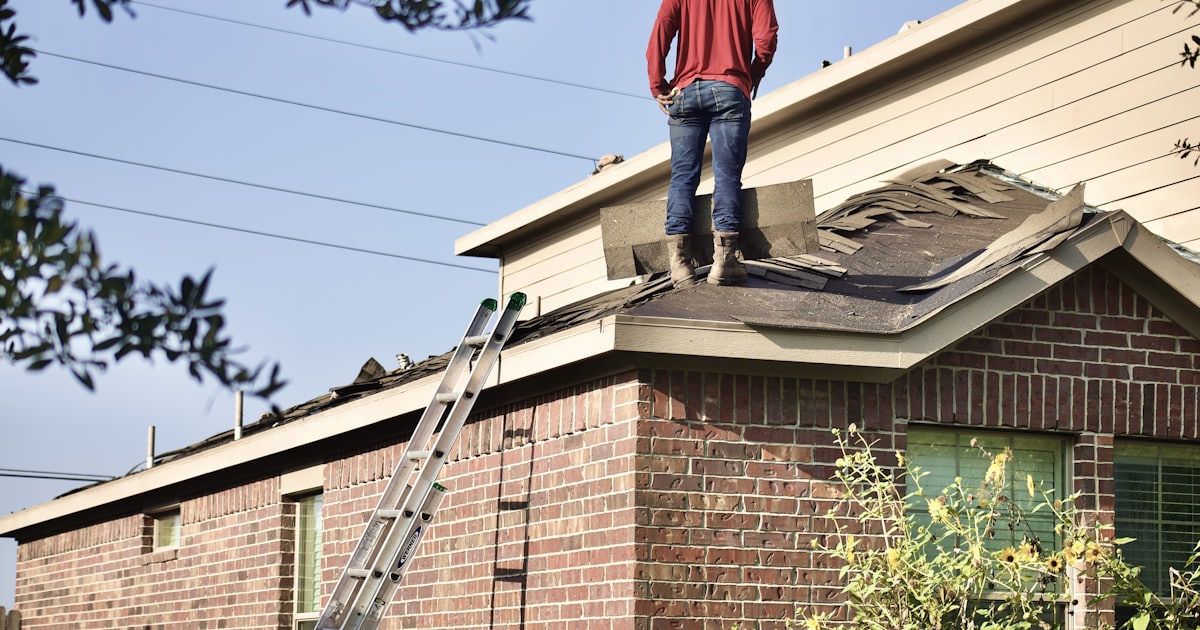
Every opinion starts with a careful, independent look at the actual damage.